
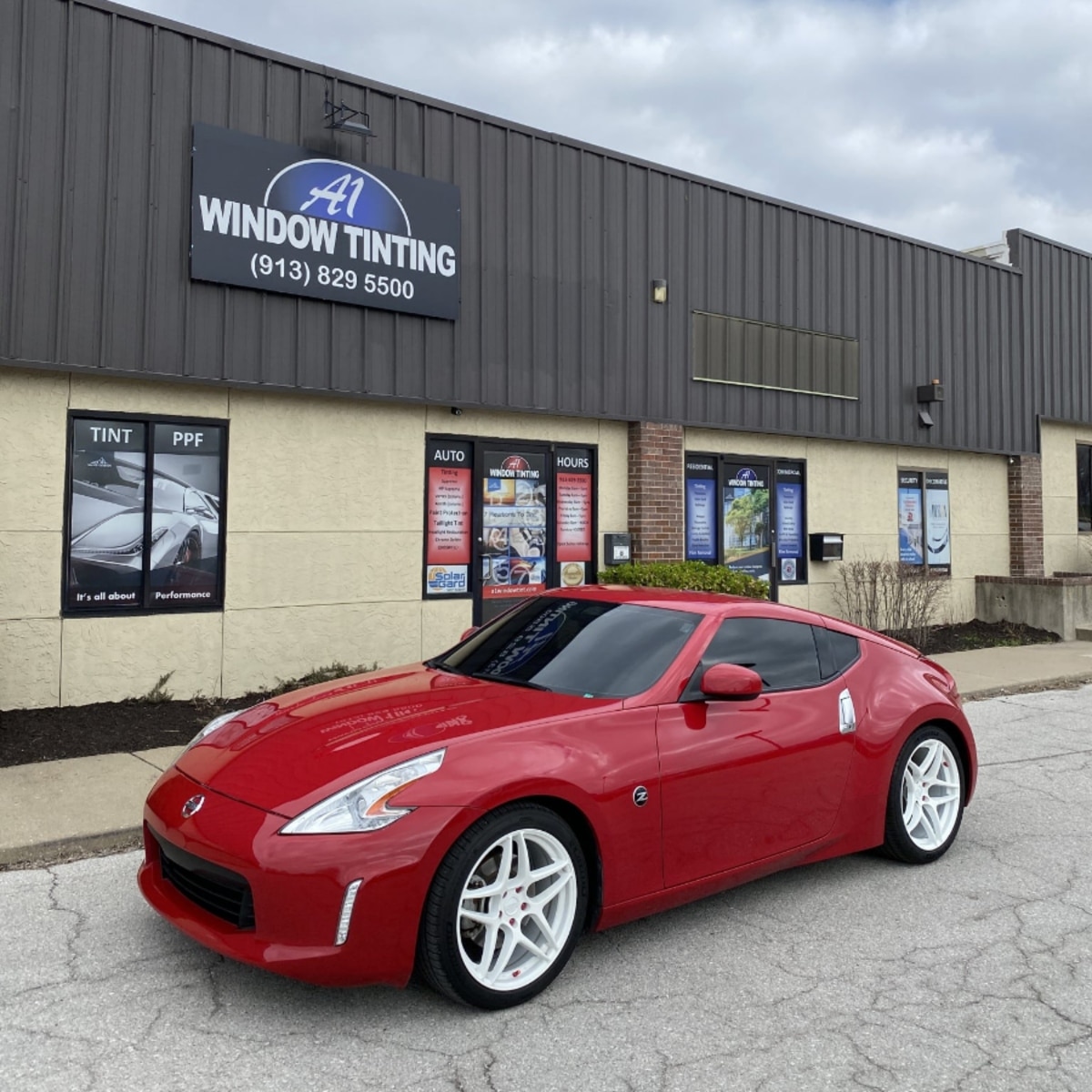
Summer road trips put more stress on your windshield than almost any other time of year. Loose gravel on highways, construction zones, and high-speed travel all increase the risk of rock chips and cracks. Windshield protection film creates an invisible barrier that absorbs these impacts before they turn into a costly repair or replacement.
Most drivers don’t think about their windshield until something hits it. By then, you’re looking at a chip that spreads into a crack, or worse, a full replacement that can run into the thousands if your vehicle has advanced safety sensors built into the glass. A small film application before you hit the road can prevent that entire chain of events.
What Is Windshield Protection Film?
Windshield protection film, often called WPF, is a thin, optically clear layer applied directly to the outside of your windshield. It’s designed to absorb the energy from rock strikes and road debris instead of letting that impact crack the glass underneath.
The film itself is nearly impossible to see once it’s installed. It doesn’t change how your windshield looks, doesn’t create glare, and doesn’t interfere with your wipers. What it does is sit between your glass and the outside world, taking the hit so your windshield doesn’t have to.
A1 Window Tinting installs Clearshield WPF from Solar Gard, a film built specifically for the demands of daily driving and highway travel. It does the job of stopping chips before they start, with updated materials and a clean, precise install process.
Why Rock Chips Happen More Often in Summer
Summer driving conditions create a perfect storm for windshield damage. Road crews resurface highways and patch potholes throughout the warmer months, which means loose gravel and chip seal material sit on the roadway longer than usual. Add in higher traffic volumes from vacation travel, and you’ve got more vehicles kicking up debris at highway speeds.
Here’s something most drivers don’t realize: temperature swings make existing micro-damage worse. A windshield that picked up a tiny, invisible chip in the spring can crack wide open on a hot July day when the glass heats up unevenly from sun exposure. That’s why a chip you didn’t even notice can suddenly become a six-inch crack the first time you blast the air conditioning on a 95-degree afternoon.
If you’re planning highway driving through construction zones this summer, whether you’re heading out of the Kansas City area or just commuting through local road work on I-35 or K-10, your windshield is at higher risk than it was a few months ago.
How Does Windshield Protection Film Actually Stop Damage?
Windshield protection film works by absorbing and distributing impact energy across a wider area of glass instead of letting it concentrate at one point. When a rock strikes an untreated windshield, all that force hits a single spot, which is exactly how chips form.
With Clearshield WPF installed, that same impact gets spread out. The film flexes slightly on impact, absorbing energy the way a phone screen protector absorbs the shock of a drop. The glass underneath stays intact because the force never fully transfers into it. Over thousands of miles of driving, this is the difference between a windshield that stays chip-free and one that picks up multiple small dings that eventually need attention.
The film also blocks 99% of UV rays, adding a layer of protection for your dashboard, seats, and any electronics mounted near the windshield. That’s a bonus on top of the impact protection, and it matters more in Kansas during the summer months when the sun sits high and direct for longer stretches of the day.
What About Modern Windshields with ADAS Sensors?
This is the part of windshield protection that’s changed the most in the last few years, and it’s worth understanding before your next road trip. Most vehicles built in the last five to seven years come equipped with Advanced Driver Assistance Systems, or ADAS. These include features like lane departure warnings, automatic emergency braking, and adaptive cruise control, all of which rely on cameras and sensors mounted behind your windshield glass.
Here’s the insider knowledge most drivers don’t have until they’re stuck with the bill: if your windshield needs replacement, those ADAS sensors usually need recalibration afterward. That step isn’t always included with a standard windshield repair, and it can add several hundred dollars to what used to be a routine job. An ADAS-equipped windshield replacement with recalibration can sometimes cost two to three times what an older vehicle’s windshield would have cost.
This is exactly why Clearshield WPF matters more, not less, as vehicles get more advanced. Preventing the chip means you never trigger that recalibration cost. For anyone driving a newer car with these systems, windshield protection film has shifted from a nice-to-have to a smart financial decision.
Does Windshield Protection Film Affect Visibility or Wiper Performance?
No, properly installed windshield protection film does not affect visibility, day or night driving, or how your wipers function. The film is optically clear and designed to be invisible once applied, with no distortion or haze.
One thing worth knowing: installation quality matters here more than with almost any other automotive film. A bubble-free, edge-to-edge application keeps the film truly invisible. A rushed or DIY install can leave lifted edges or trapped air, which is where moisture and debris get underneath the film and cause problems later. Wipers glide across the film the same way they would across untreated glass, with no added friction, streaking, or need to adjust blades.
How Long Does Windshield Protection Film Last?
Windshield protection film is designed for long-term durability, and most drivers won’t need to think about replacing it for years under normal driving conditions. The exact lifespan depends on how much highway driving you do and the conditions you’re driving in, but the film is built to handle ongoing exposure to road debris, sun, and weather.
If the film does eventually take enough impacts that it shows visible wear, like a buildup of small marks across the surface, it can be removed and replaced without any damage to the glass underneath. That’s part of the value here: the film takes the wear so the windshield doesn’t have to. Compare that to a windshield with no protection, where every chip is permanent until you pay for a repair or replacement.
Is Windshield Protection Film Worth It for Every Vehicle?
Windshield protection film makes the most sense for vehicles that see regular highway miles, newer vehicles with ADAS technology, and any car its owner plans to keep for several years. The cost of the film is consistently lower than even a single windshield repair, let alone a full replacement.
For drivers in and around Olathe who regularly travel longer distances for work or weekend trips, the math tends to work out clearly in favor of protection. A single rock chip repair can run close to what the film costs to install in the first place, and that’s assuming the chip doesn’t spread into a crack that requires full replacement.
It’s also worth pairing windshield protection with paint protection film for the front of the vehicle. The hood, front bumper, and side mirrors take the same kind of road debris hits as the windshield, just on painted surfaces instead of glass. Many drivers preparing for a summer of highway travel choose to protect both at the same time, since the vehicle is already in the shop.
What to Expect During Installation
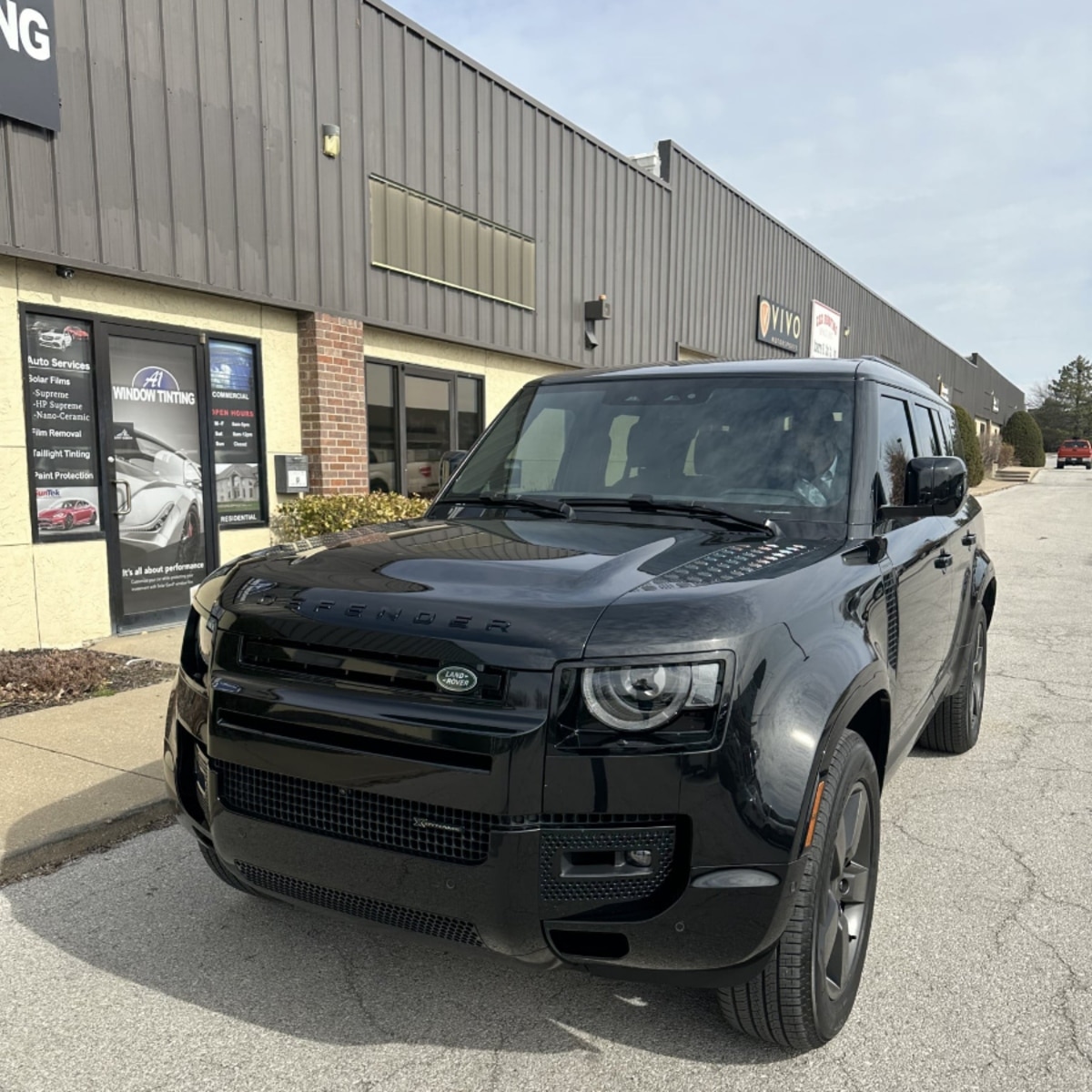
Installing windshield protection film is a same-day service in most cases, with the windshield cleaned, prepped, and the film applied using a precision-cut pattern designed for your specific vehicle’s windshield shape. Every windshield is a slightly different size and curve, so the film is cut to match rather than applied as a generic sheet.
After application, the film needs a short curing period before it’s fully set, similar to how side window tint needs time to bond before you roll the windows down. During this window, avoid using the wipers or washing the vehicle so the film can adhere properly. Following these care steps in the first 24 to 48 hours makes a real difference in how the film performs over the long run.
For anyone in the Kansas City metro getting a vehicle ready for summer travel, this is a straightforward addition to a pre-trip checklist, right alongside an oil change or tire rotation.
Frequently Asked Questions
Does windshield protection film stop a crack from spreading once it’s already started?
No, windshield protection film is preventive and works best when applied to an undamaged windshield. If a crack has already formed, the windshield should be repaired or replaced first, and the film can be applied afterward to protect the new or repaired glass going forward.
Will windshield protection film void my vehicle’s warranty?
Windshield protection film does not void a vehicle’s manufacturer warranty, since it’s an aftermarket addition that doesn’t alter the vehicle’s original components. It’s similar to applying a screen protector to a phone, the underlying part stays factory original.
Can windshield protection film be tinted or does it have to be clear?
Clearshield WPF is designed to be completely clear, since windshields have strict legal visibility requirements in Kansas and Missouri. The film provides protection without changing the appearance or light transmission of the glass.
How soon before a road trip should I get windshield protection film installed?
It’s best to schedule installation at least two to three days before a planned trip to allow for the curing period. This gives the film time to fully bond to the glass before it faces highway speeds and debris.
Does windshield protection film help with rock chips from gravel roads specifically?
Yes, gravel roads are actually one of the more demanding environments for a windshield, since loose stones get kicked up constantly at lower speeds but close range. Windshield protection film performs well in these conditions, absorbing the smaller, more frequent impacts that gravel roads tend to produce.
Get Ready for the Road Ahead
Windshield protection film is one of the simplest ways to protect your vehicle before a season of summer driving. It’s invisible, doesn’t change how your car looks or drives, and stands between your windshield and the kind of road debris that turns into an expensive repair bill. With newer vehicles carrying ADAS sensors that make windshield replacement more costly than ever, preventing that first chip matters more than it used to.
A1 Window Tinting has been serving Olathe and the greater Kansas City area for nearly 50 years, and installs Clearshield WPF with the same attention to detail used on every paint protection and automotive tint job. Before the next road trip, getting windshield protection film installed is a quick way to drive with one less thing to worry about. Request a quote to get a vehicle ready for the miles ahead.